
Getting Ready for Winter
As winter quickly approaches, all the animals in the forest are preparing their warm and cosy homes to settle in for the cold months ahead. Let’s explore how they get ready for the chilly weather in different ways.
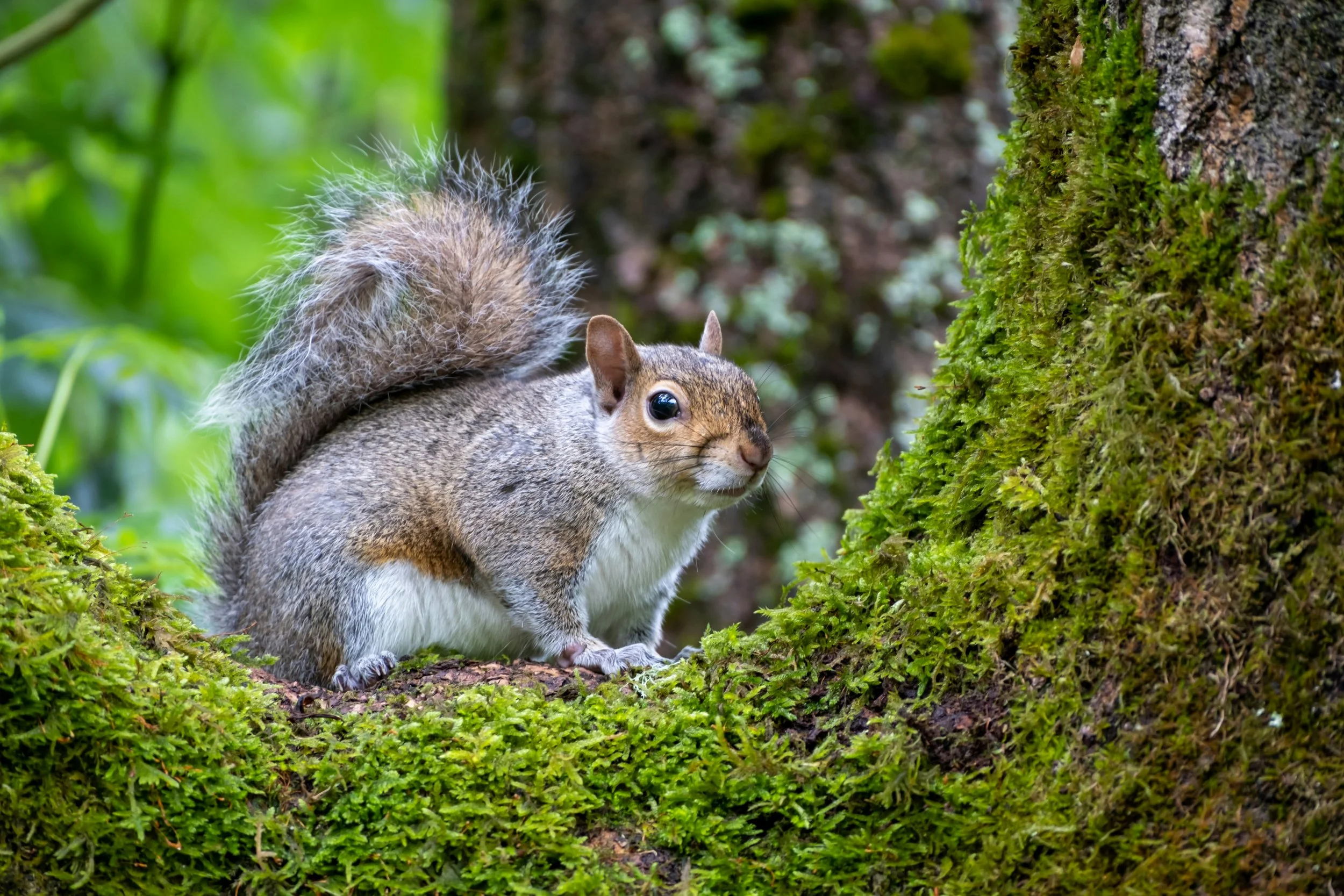
Hibernation is a survival mechanism used by some animals, such as hedgehogs, bats, and dormice. Animals use the time during hibernation to conserve energy during winter when food becomes scarce. Other animals, like squirrels and jays, gather and bury acorns to create food supplies for the colder months.
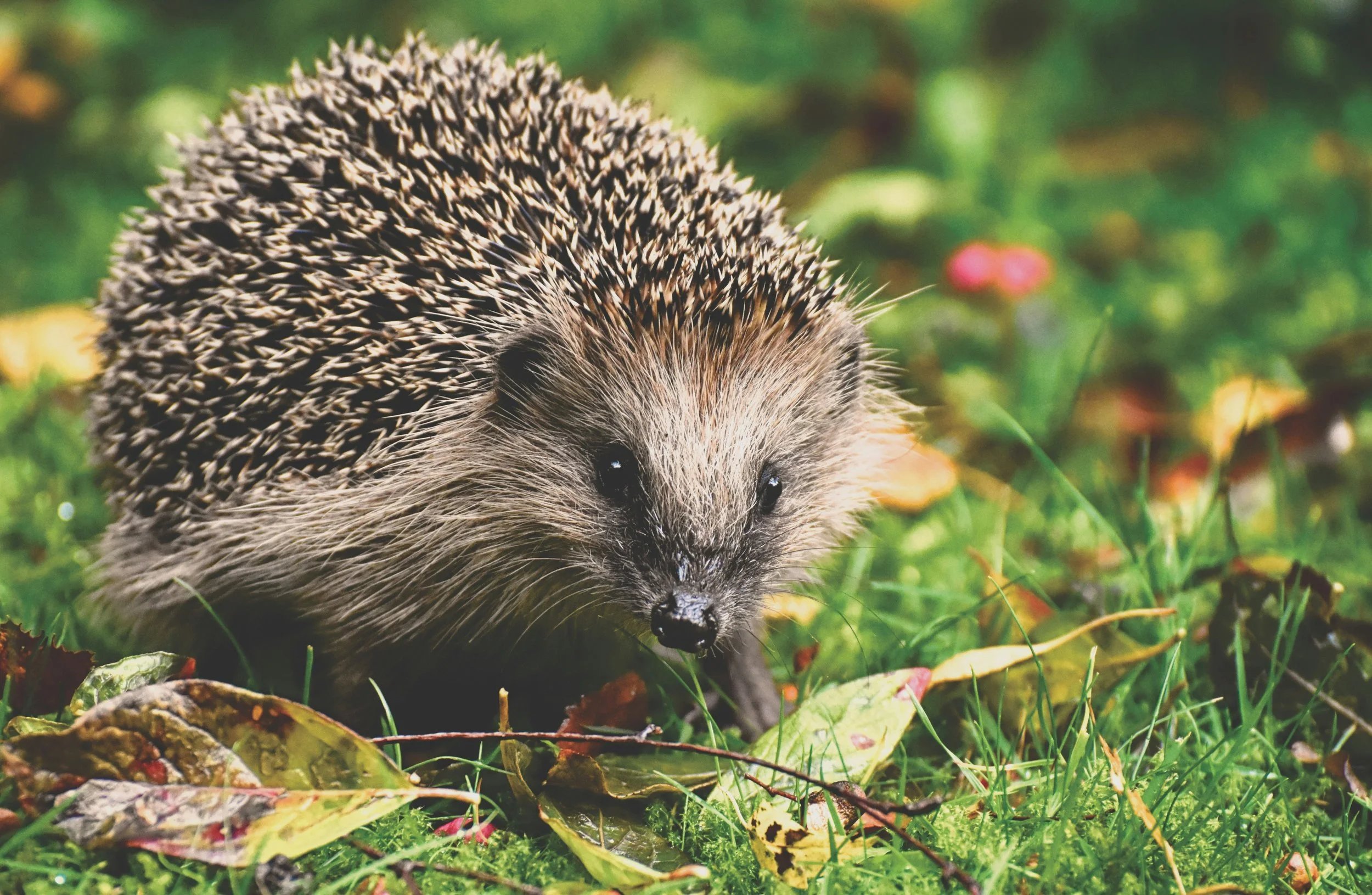
Hedgehogs 🦔
Before winter truly begins or by the end of autumn, hedgehogs carefully select the best locations to build their nests, which will protect them from the cold and other environmental threats.
Hedgehogs are among the few mammals that truly hibernate. While many people believe that hedgehogs sleep throughout the entire winter, research shows that they do not sleep in the traditional sense. Instead, hedgehogs slow down their heart rates, lower their body temperature, and decrease their breathing rate. This adaptation enables them to conserve energy and endure harsh conditions without needing to eat, drink, or move frequently.
If you are fortunate enough to have a hedgehog in your garden preparing to hibernate, you can help it survive by providing a variety of things: cat or dog food, special hedgehog food and fresh water. However, you should never feed a hedgehog bread or milk as they can’t digest it.
Trees 🌳
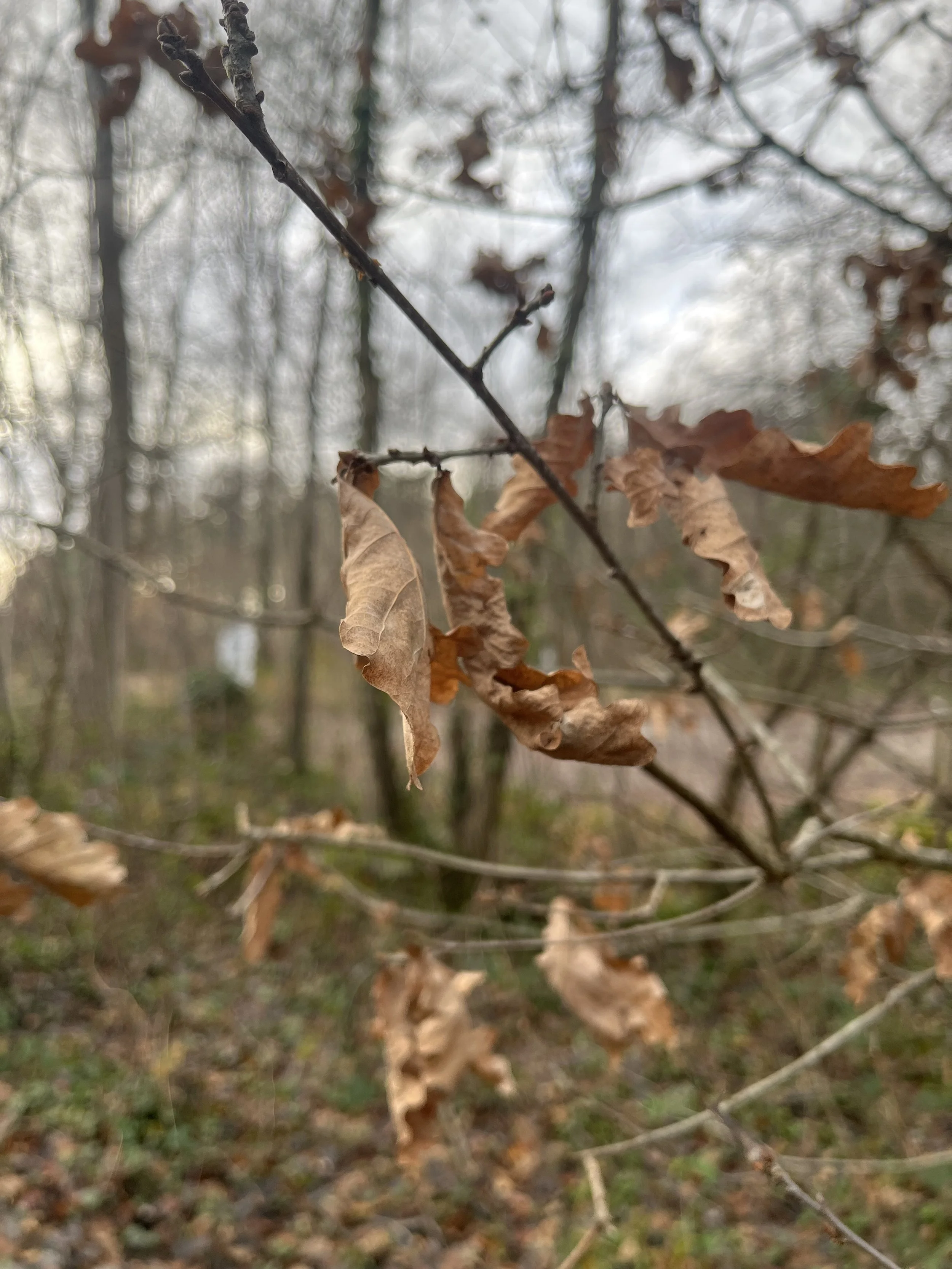
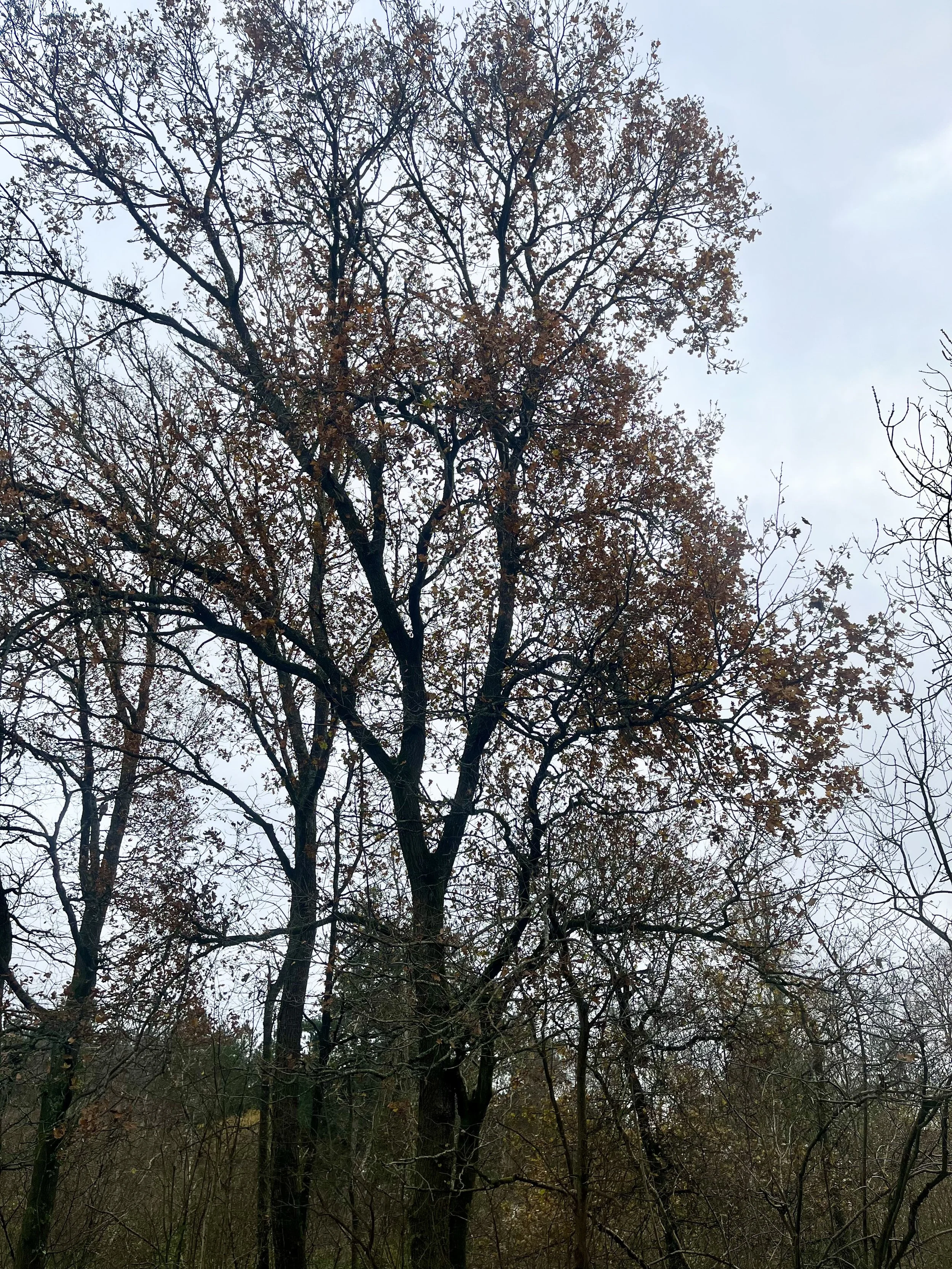
Trees lose their leaves in winter as a survival strategy. As the days shorten and temperatures drop, they produce less of the hormone called auxin, which helps keep the leaves attached to the branches. When auxin production decreases, cracks appear in the leaves, causing them to detach and fall to the ground.
This leaf drop is a mechanism that allows trees to conserve energy and protect themselves from environmental stressors, such as cold temperatures and winter storms. With fewer leaves, the tree's metabolism slows down, and growth halts, which helps it endure harsh conditions. During winter storms, the loss of leaves enables wind to pass more easily through the branches, reducing strain on the tree and helping it survive longer. This adaptation also prepares the tree for the next growing season.