
Nature has long been an inspiration for creative expression. The season of Autumn with its changing landscape was rightly described by John Keats as the ‘Season of mists and mellow fruitfulness’.
This year the leaves are looking spectacular especially Maples with shades of yellow ochre through to flaming red.
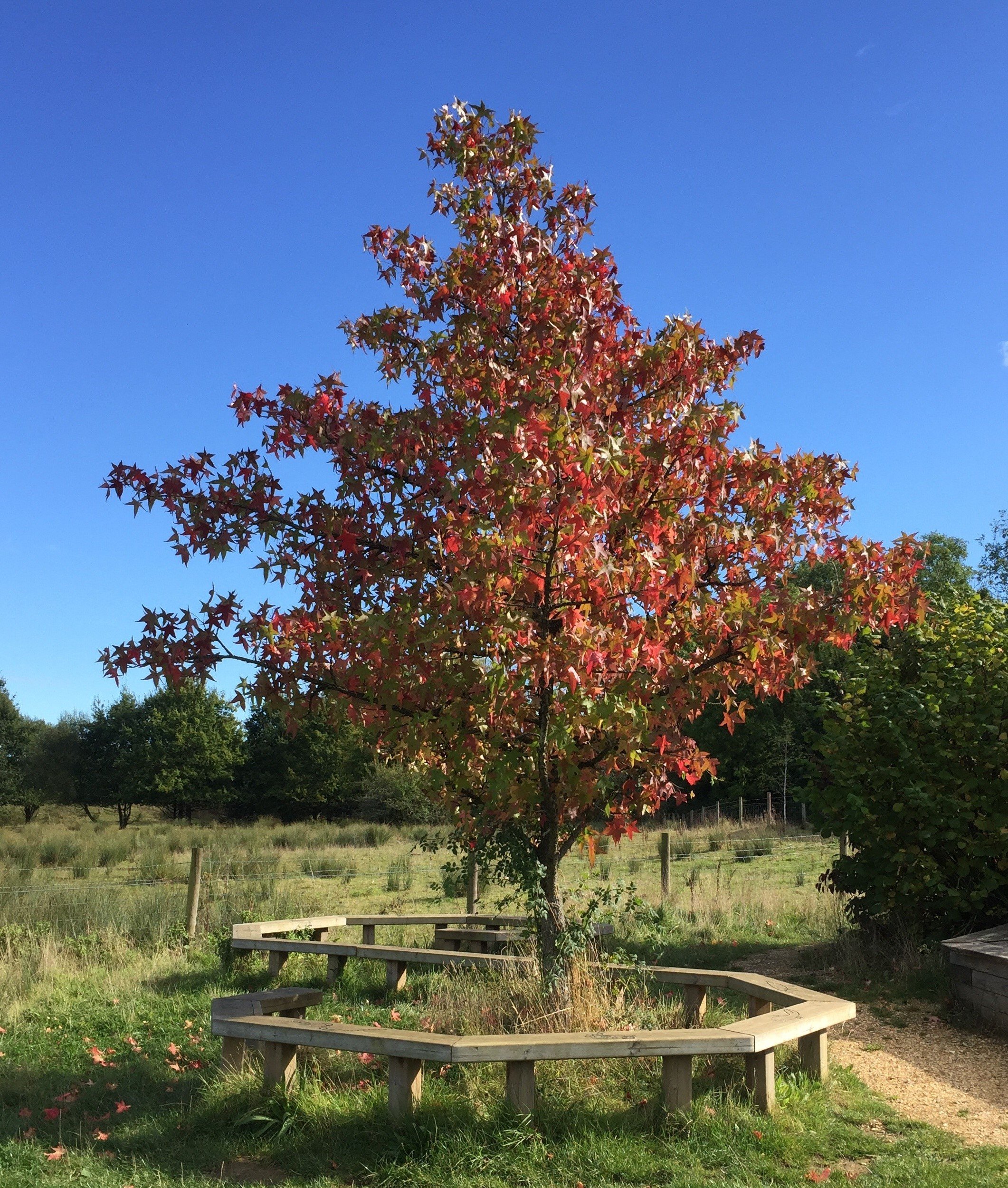
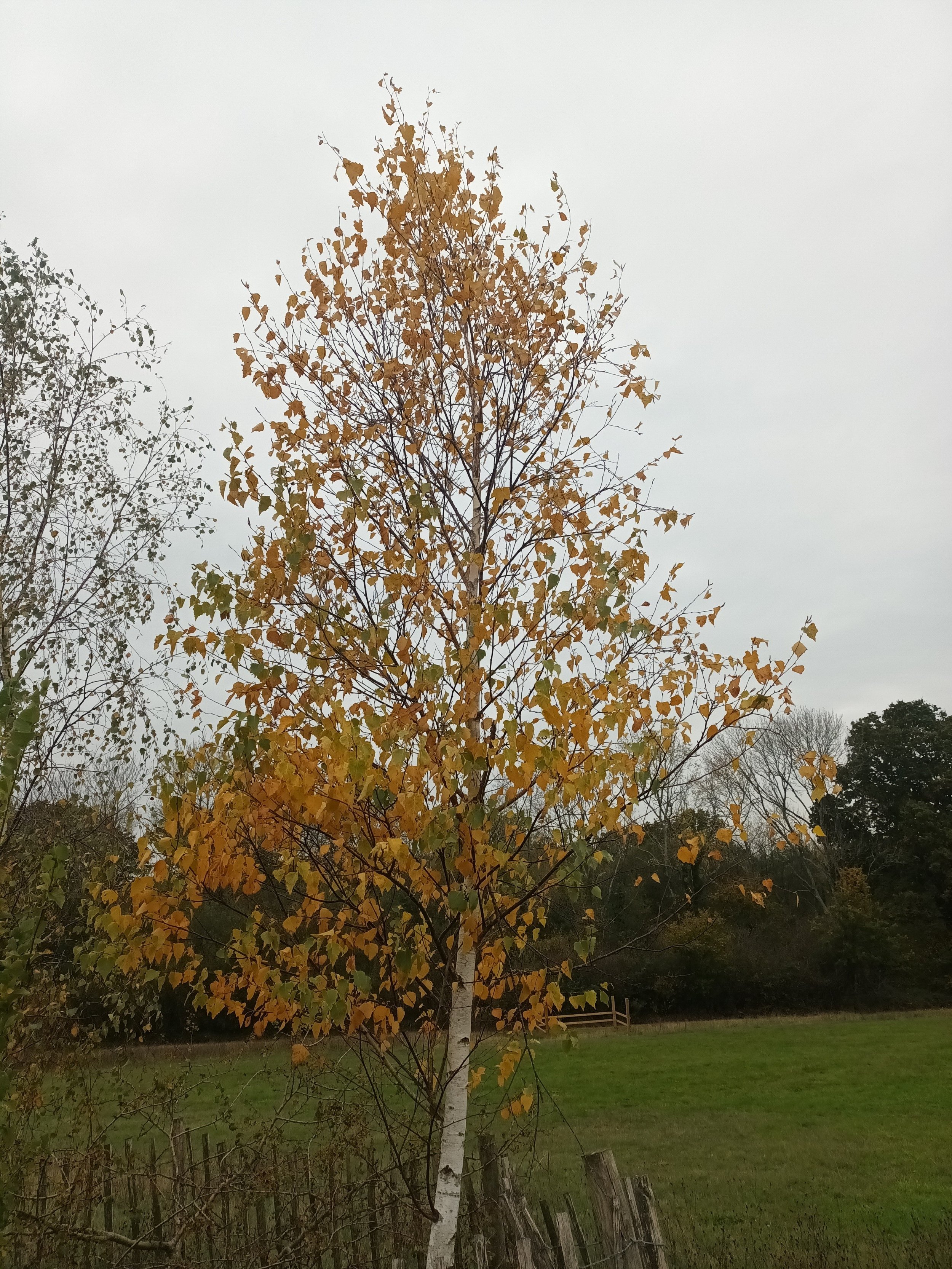
Trees shed their leaves in preparation for winter as it helps to protect the trees from frost damage. Photosynthesis stops and they remain dormant to conserve energy. Low temperatures destroy chlorophyll, so the green leaf fades to yellow. But if temperatures stay above freezing, anthocyanin production is enhanced and the leaves take on a red colour.
The dry sunny weather we have had recently has caused the sugars to concentrate in leaves and they turn redder. The lack of wind to blow them off the trees has produced a vibrant display.
Fallen leaves gradually break down and release organic matter back into the soil. Worms and other invertebrates assist with this nutrient cycling.
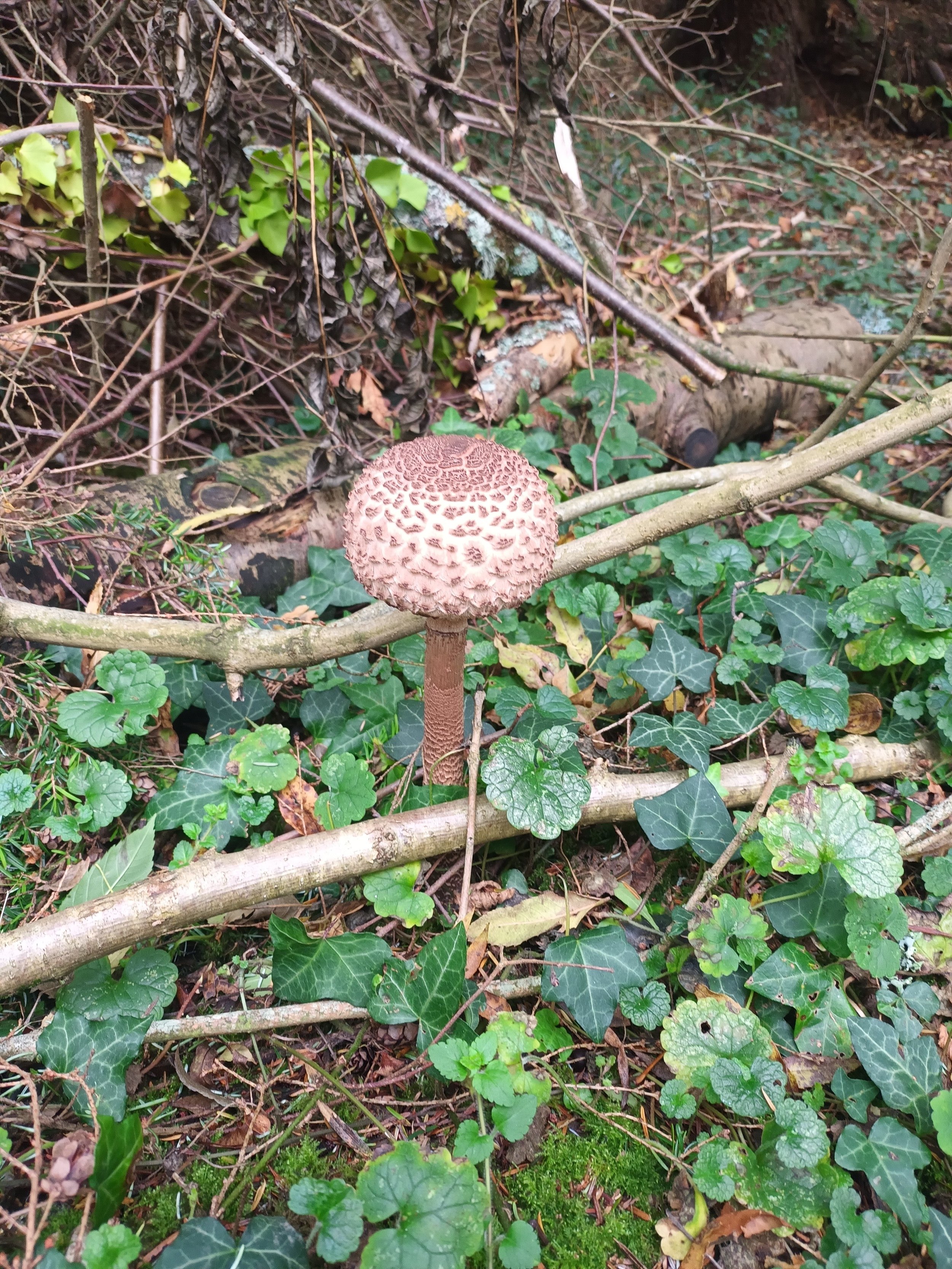
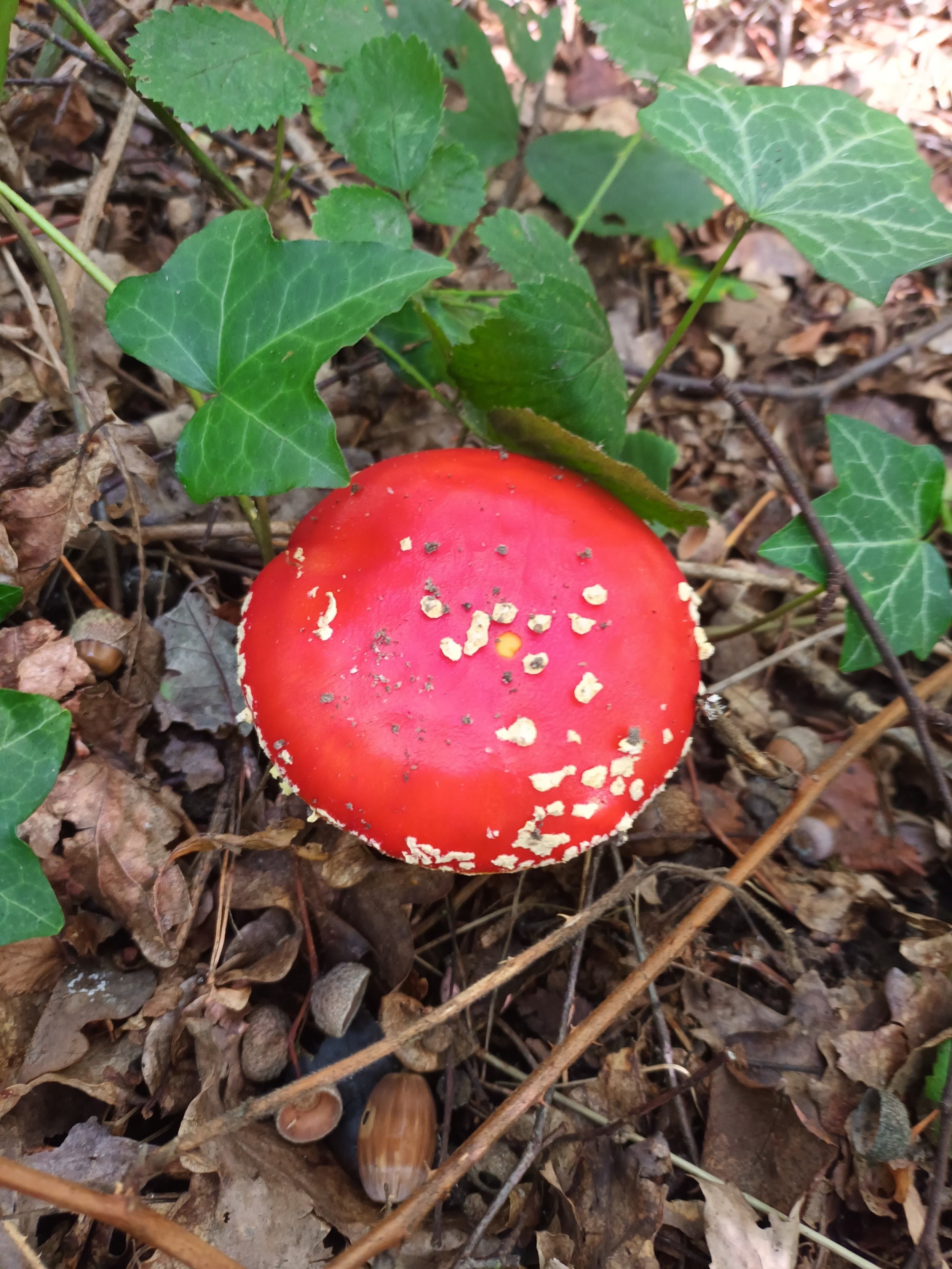
Fungi is appearing on the woodland floor, you have to look closely as it blends in well with the autumn leaves. Fungi also plays an important part in the cycling of nutrients and many tree species have a specific type of fungi that grows nearby and supplies its nutrients. An example of this is Birch trees have an association with the stunning Fly Agaric.